The Bosphorus straights revisited. My intention in the postings from here on out is to retrace our pilgrimage steps so that the blog will eventually read in the chonological sequence in which it was experienced. The original postings were done “live” so to speak, with the result that they read from the most recent to the less recent, or in reverse historical order. This is the nature of a blog. So each section of our trip will now be covered twice. Here, back at the Bosphorus straits we see another Queen Mother Mosque with Ritz Carlton skyscraper to its right. This Queen Mum’s motto must have been “less is best” considering the enormous size of some of the other Queen Mother Mosque’s on the Bosphorus.
Sorry I don’t know what this is. Some huge palace perhaps built by one of the Sultans. It would certainly be a wonderful place to entertain visiting royalty in the heydays of the Ottoman empire.
The first depiction of Hagia Sophia that caught my attention was a cartoon of Prince Valiant drawn by Hal Foster.
 Hal spent lots of time detailing each of his strips, and this one showed Constantinople as seen from the sea. The great basilica of Hagia Sophia dominated the entire old city, much as the Eiffel Tower has dominated Paris since 1889. Except Hagia Sophia goes back to 537. So it was with great interest that I got to view this great basilica from the sea. It’s a shame no one has had the guts to take down those minarets since the church was changed from a mosque to a museum.
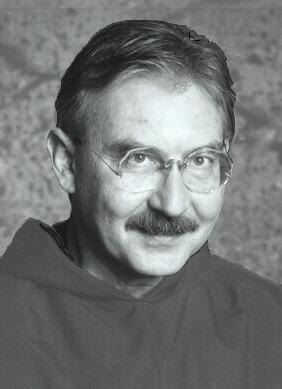
 You can see I clearly enjoyed our ride down the Bosphorus. It was a Friday when we rented this boat. Friday is the Moslem holy day. The Jews worship on Saturday, Christians on Sunday and Moslems on Friday. So one of the added pleasures of this trip was hearing the prayer calls sound from each of the minarets as the One O’Clock chant rang out for midday prayer. As soon as one died out, the call from another minaret would begin. It was a distinct reminder that this “Mayday” was a holy day despite the rioting of workers in parts of the city that surrounded us.